

4·
2 days ago
My app required these to work
Musician, mechanic, writer, dreamer, techy, green thumb, emigrant, BP2, ADHD, Father, weirdo
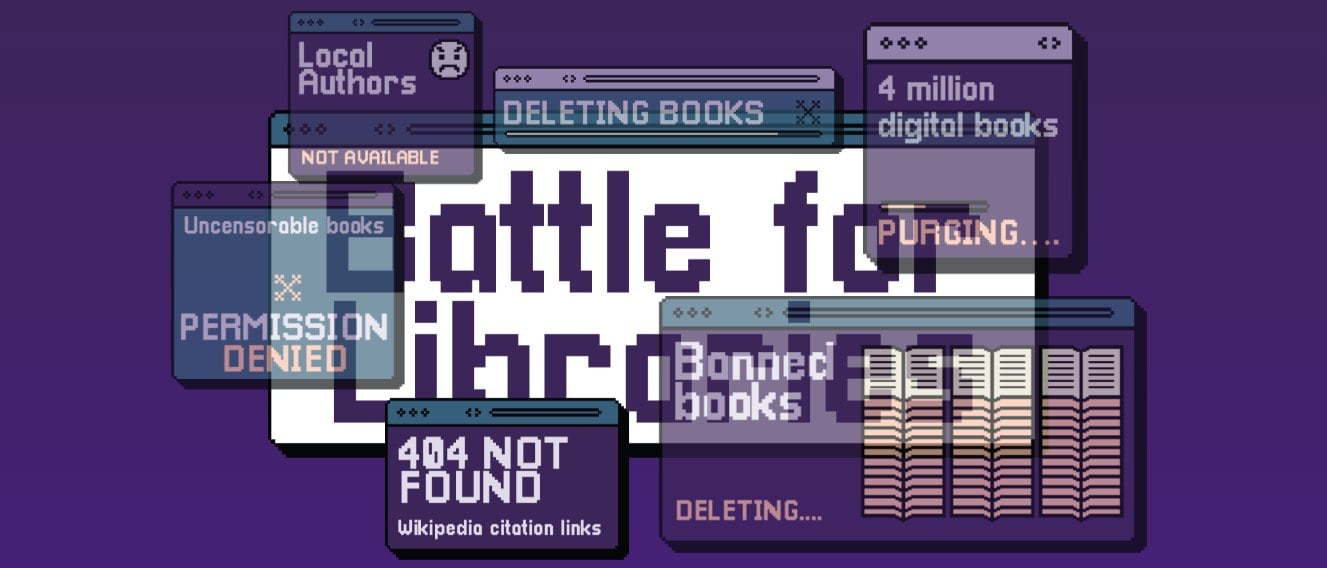
https://www.battleforlibraries.com/
#DigitalRightsForLibraries
My app required these to work
And nothing of value was lost. I’m over social media, over commercial apps, and maybe I’m over having a mobile phone, too.
You can’t make this stuff up.
A service requiring users to upload verifiable identification info, created and staffed by literal government spooks. And – what?!? – they’re using said data inappropriately?
You’re right, but if they have your password manager, they likely have your phone, and that means they have your Aegis too.
Still, my suggestion is less of a second factor unless you have 2fa on your keypass, so not best practice.
Keepass can replace Aegis for TOTP
That really is nice, right? I also like when my apps have no mechanism to connect to the internet, so you don’t have to worry about trackers, data exfiltration, etc.

This is correct. The folks adding these trackers to their sites usually have little to zero tech knowledge. They see a plugin or other way to provide them with the metrics they think they need and its “so easy” to use tag manager or the Facebook pixel.
I knew someone working for a nonprofit that was building out a form for indigenous troubled families, and they used both google and meta tools. Their intended cohort actively avoided it based on their initial finding that it was tracking them (they apparently had a tech person on their side of the table). This prompted a whole board level meeting, which resulted in the removal of the trackers, which were later re-added in another,less skeevy way, after the data they wanted stopped flowing) and the immediate enrollment in the program by hundreds of families.
In the end, they decided they need those tools, as alternatives were to clunky for them. Google and Meta make it seem easy for you, since they have much to gain and little to lose by making their data collection tools easy to implement. I went round and round with my friend about how bad this was, and they got it, but their higher-ups overrode them.
And Meta and Google lived happily ever after…
Or spin up your own NTP server and NAT those requests to it.
And Mathias Döpfner is himself an out of touch billionaire-class nut who applauds the tamping of freedoms (including of the press) and jumps at every chance to breathe life into lies that advance his oligarchic wet dreams. The kind of person who says horrible things, then lies about saying them, and when confronted with the receipts, pretends he was just being “edgy” or “provocative” to provoke the plebs.
News organizations that exist to accurately report the news and properly inform the public are the exception now, I’m afraid. The rest have an agenda, and it never involves the common good.
I stumbled upon it a few years back when I was looking for a way to send files directly to peers. I can’t remember if it was from a list of similar services or if I used a search engine. It’s been pretty useful for me.
E2EE and simple
Ahh, crap
Who can use Privacy and do you need a bank account?
Privacy is currently available to US citizens or legal residents with a checking account at a US bank or credit union, and who are 18+ years of age.
Watching from the sidelines as a LOS ROM user, I’m disappointed by the replies from the devs. From mischaracterizing surprise, anger and generally negative feedback as positive praise to completely ignoring the two main asks of the community. For me, there are other red flags, but I’ll leave it alone.
Ego seems to be coming into play here, and the repeated references to GrapheneOS seem to reinforce that. Handwaving new and unique criticism as if it is a continuation of an older conflict is pretty poor form.
The basic issue as I see it (as a non-user of their platform) is to market your OS the way they do while also adding this feature without notice or explanation. Their claim that they want to stay relevant and include popular features is a straw man. There are other ways to implement it, and other ways to introduce it to the community. But that’s not relevant. Their explanation could be used to justify abandoning their stated objective of anti-big tech in any/all ways. Saying people want big corporate tech features is weak and obviously not in parity with the stated mission of privacy-first.
It’s not always the poor choices that sink user trust; sometimes it’s a tone deaf response or unexplained motives, or opaque financial incentive structure.
Sometimes it’s all of the above. This seems to be one of those cases.
Ty @Luffy879 for sharing.
E: spelling
I got sick of GP when they announced AI learning on user photos (or actually that’s just the last straw). I use a combination of these two apps now:
I agree that I was confused at first, until I remembered that any of the coalition countries (7 eyes?) has access to anything secret, they share with others that don’t.
Going to check out rethink now, Thx for the name drop!
We see it over and over. When consequences for malfeasance are barely noticeable compared to profits, there is no incentive to comply with laws. Just pay the tiny fine is our lawyers don’t exhaust them first.
I never told anyone else the URL so no one will find it.
Who wants to tell them about DNS records and web crawlers?




Mtalk was definitely needed for my web version, but I’m blocking all mtalk FQDNs and my apps still work.