

3·
17 hours agoIf you’re on Firefox, just enable reading mode.
If you’re on Firefox, just enable reading mode.
The publication date would be decided by Wiley.

I’m not European, but I get your point about each country having a different political system. What works in one country may not work in another. But what is common among most countries is a shared economic system. Whoever your politicians are, whatever they claim to believe, the vast majority of them are the pawns of the billionaires. Now, going for the politicians might get some results. Those individual politicians might lose the next election, or get kicked from their parties. But if you want long-term change, you’ll have to target their owners. Make ‘line go down’. For that, your protests will need to hit their infrastructure. Of course, whether you want to do this, and whether the risks are worth the rewards, are for you to decide.
If you are protesting against the government, then you need to shut down all / most economic activity. Usually you do this by blocking roads, railway lines, etc., and by marching in large numbers. I get that this is difficult in the US because you’ll get shot, but dancing and partying do not hurt the politicians or their owners, and so is just a waste of time.
Also I said nothing about going on strike, where did you get that from?
Sorry, but the US ‘protests’ are a joke. You don’t protest by dancing and cosplaying in front of a camera. You protest by shutting down infrastructure, in a peaceful but organised and disciplined manner, until your demands are satisfied.
I understand that there are limits to real protest in the US, and of course it would be silly to demand that anyone risk being shot. But don’t call a party a ‘protest’.
The system in my country is that the QR code is meant to be public, and contains either your mobile number, or if you want to hide that, a UPI ID (which you can set and can be a random alphanumeric string). But having access to a person’s QR only lets you send money to them. The payment verification happens between the sender and the central database, on behalf of the sender’s bank, and can be done using a PIN / OTP.
For example, I go to a shop and buy sweets. The shopkeeper would have their QR code displayed prominently throughout the shop. I scan it to get their phone number / UPI ID, and then tell the app to send them so many rupees. The central database asks me to verify the payment. Once I verify, both I and the shopkeeper get an SMS saying x rupees was debited / credited. The app can also store transaction history in case there is any confusion later.
If I’m sending money to a friend, I already know their mobile number, so I can bypass the whole QR business and tell the app to just send money to their number.

See my reply to sakuraba@lemmy.ml.
Thank you, but I’m from India and we’re mostly QR now. Cards exist and a few people use them, but most shops are phasing them out since they have to pay a transaction fee (QR payments are free). SEA and parts of West Asia also use QR, but the systems aren’t interconnected.
But isn’t there an annual service fee?
The way it is implemented in my country, the QR itself is just a standard QR code that tells your phone the recipient’s phone number / upi address. So you could, say, replace a shop’s QR code with yours and get any money customers send them, although it would be pretty easy for the police to find you.
Oh yes I know cards use NFC. My question was about phones.
Yes, you need a phone network, but not internet. Also there is a small charge.
As I said above, the people being forced to sell their dignity are the victims, and need help and rehabilitation. My hatred and disgust are reserved exclusively for those who exploit them, and the economic and social system which enables such behaviour.
Interesting. But why would people get a card if you already have the QR system? Isn’t it more expensive?
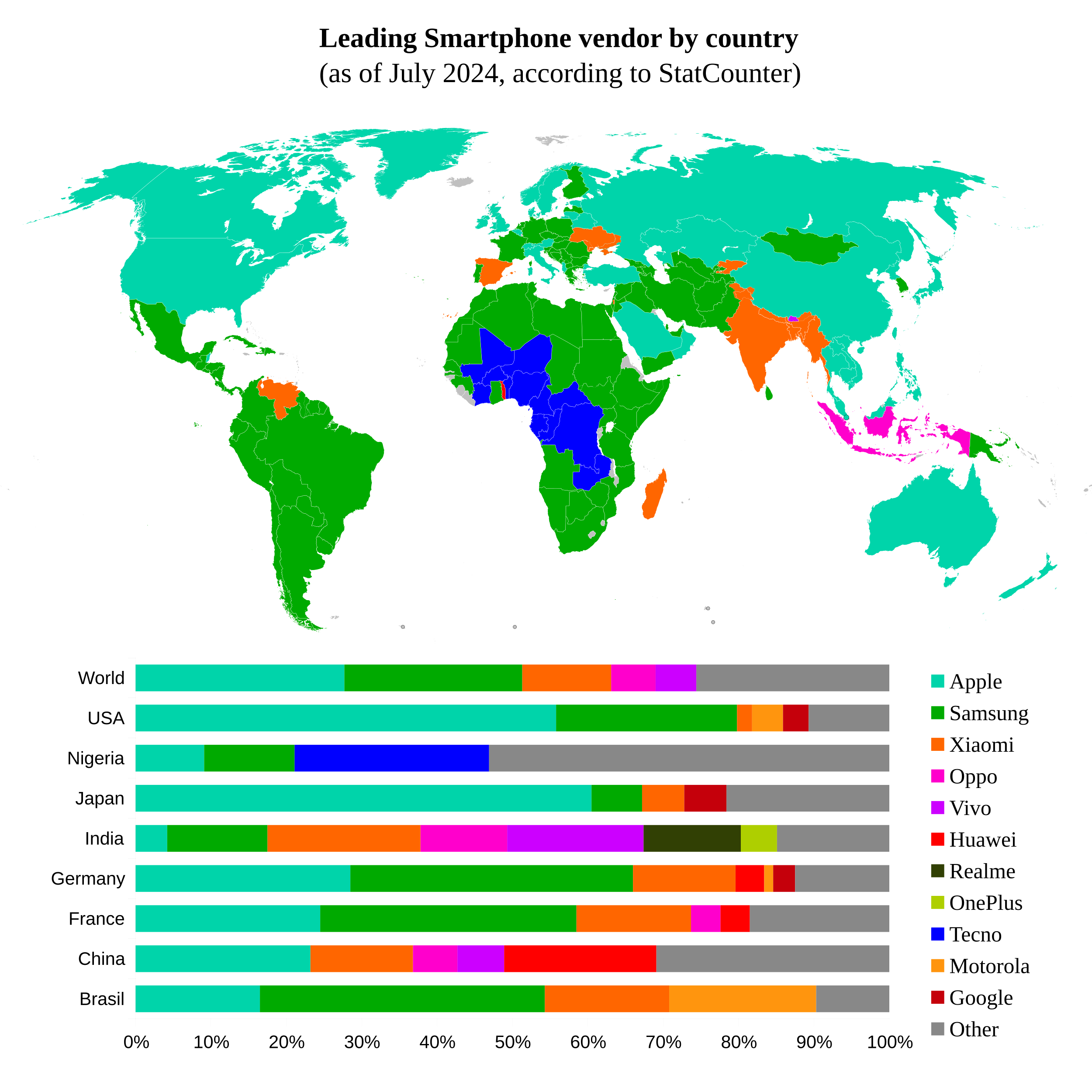
That makes sense. I’m in India, and I think most of Asia (except Japan) uses QR.
It can work without internet only for amounts below 2000 rupees, and only if you’ve enabled that option.
The backend is a government system called NPCI. The frontend can be any app that follows the standards laid down by NPCI. This includes Google Pay, Walmart’s Phonepay, SoftBank’s PayTM and NPCI’s own BHIM. Many banks also have their own apps, but most of these are BHIM reskins.
Isn’t the Senate your upper (smaller, less powerful) house? The Opposition Leader is the leader of the biggest opposition party in the lower (larger, more powerful) house.
There was a tar performance by Ali Ghamsari at the Damavand power station to protest attacks on energy infrastructure.








Firefox -> Reading mode gets past the paywall.